

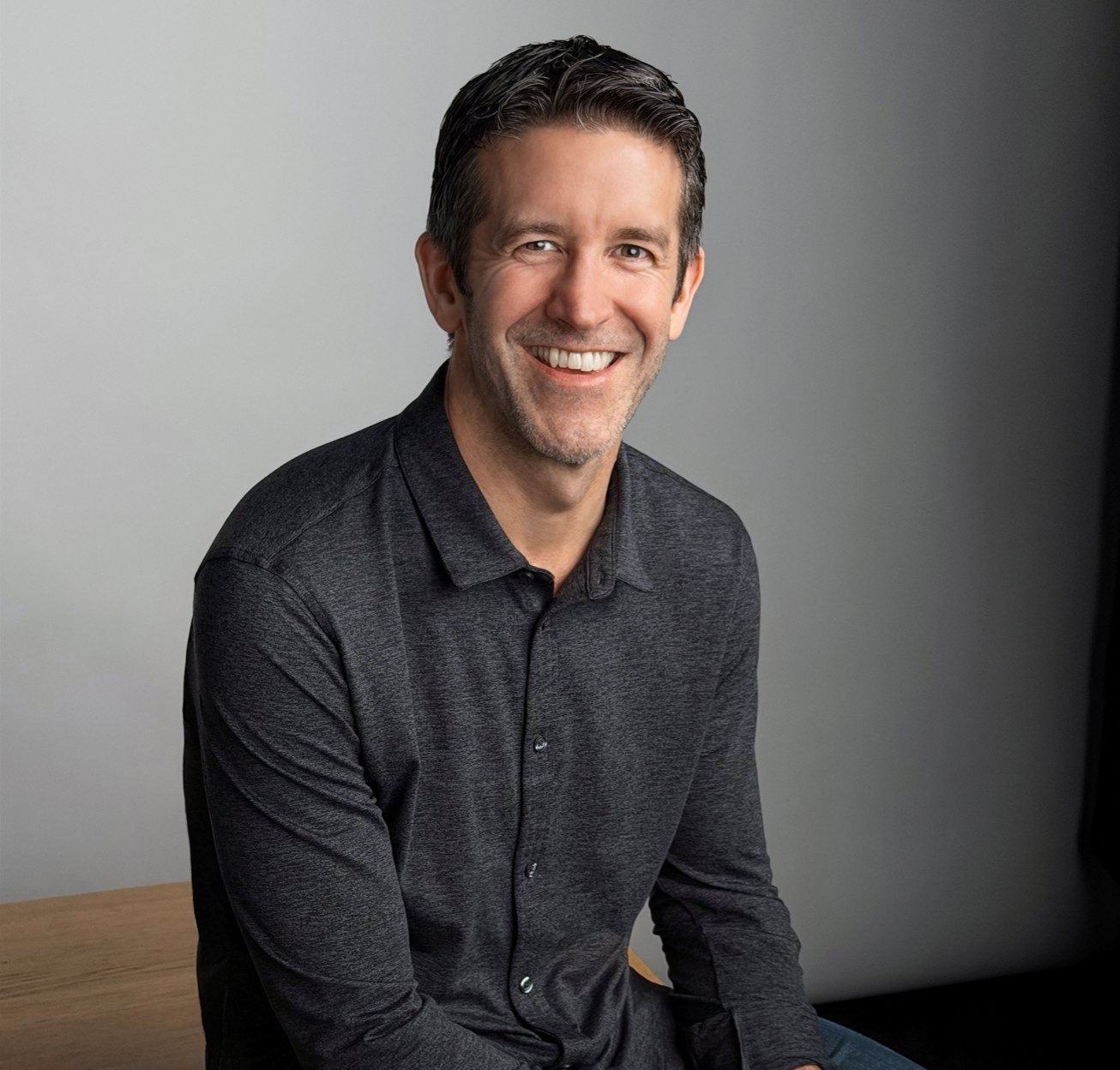
Global devices giant, Apple has named longtime hardware chief John Ternus as its next chief executive officer, marking the first leadership transition at the company in more than a decade and a half.
Ternus will take over as CEO on September 1, while Tim Cook will move into the role of executive chairman, ending a 15-year tenure that transformed Apple into a $4 trillion company spanning devices, services and digital ecosystems.
The appointment signals a subtle but significant shift in Apple’s leadership philosophy, from operational scale and ecosystem expansion under Cook to a more product-centric, engineering-led approach at a time when the industry is being reshaped by Artificial Intelligence (AI).
A continuity play with a strategic pivot
Ternus, 50, has spent over two decades at Apple and has led hardware engineering since 2021, overseeing development across key product lines. Widely seen as Cook’s heir apparent, his elevation is being interpreted as a continuity move.
“John Ternus has the mind of an engineer, the soul of an innovator, and the heart to lead with integrity and with honor. He is a visionary whose contributions to Apple over 25 years are already too numerous to count, and he is without question the right person to lead Apple into the future,” said Tim Cook, Apple’s outgoing CEO in a press statement.
Industry observers note that while Ternus is unlikely to dramatically alter Apple’s operating model, his deep product background positions him to address one of the company’s most pressing challenges: catching up in AI.
Unlike rivals such as Google and OpenAI, Apple has been perceived as a laggard in generative AI, even as the technology begins to redefine consumer computing experiences.
The AI gap and the opportunity
Apple’s next phase of growth is increasingly tied to how effectively it integrates AI across its device ecosystem. While the company maintains a massive installed base of over 2.5 billion active devices and annual revenue of more than $400 billion, its AI strategy has yet to match the visibility or momentum of competitors.
Ternus is expected to play a central role in closing that gap. According to reports, he has already begun reorganising Apple’s hardware engineering teams around AI-driven development, while leading work on a new generation of AI-focused devices, including smart glasses, next-generation AirPods and new home automation products.
This aligns with a broader industry shift where AI is moving from cloud-centric models into on-device intelligence, an area where Apple’s control over hardware and software integration could offer a competitive advantage.
From scale to craft
Cook’s tenure was defined by operational excellence, supply chain mastery and ecosystem expansion. Under his leadership, Apple diversified beyond the iPhone into wearables, services and financial offerings, while significantly expanding its global footprint.
However, that era also saw mixed results in emerging product categories, including the Vision Pro headset and the company’s abandoned autonomous vehicle project.
Ternus inherits a company that is financially strong but strategically at an inflection point.
The global consumer technology market is entering a new phase, where differentiation is increasingly driven by software intelligence rather than hardware innovation alone. For Apple, this raises critical questions:
- Can it translate its hardware leadership into AI-driven experiences?
- Will it prioritise on-device AI over cloud-based models?
- And how quickly can it respond to competitors that have already established early leadership?
Broader industry implications
Apple’s leadership transition comes at a time of significant change across the technology sector. Major players are recalibrating strategies around AI, edge computing and ecosystem integration, while also navigating geopolitical pressures, supply chain realignment and regulatory scrutiny.
Cook’s move to executive chairman also reflects the growing importance of policy and global engagement, particularly as Big Tech faces increasing oversight in markets such as the US, Europe and China. For Apple, maintaining strong relationships with governments and regulators will remain critical, especially as its services business expands and its hardware supply chain continues to evolve.
What comes next
Ternus steps into the CEO role with a strong internal mandate and a clear set of priorities: accelerate innovation, strengthen Apple’s AI capabilities and sustain growth across an increasingly competitive landscape.
At the same time, he inherits a company with unmatched scale, brand strength and customer loyalty, factors that provide a strong foundation for its next phase. The transition also marks the end of one of the most successful leadership tenures in modern corporate history.
Under Cook, Apple did not just grow — it redefined what a consumer technology company could be.
Under Ternus, the question is whether it can redefine it again.